
When the term “impaired driving” is used, it’s commonly associated with driving under the influence of drugs or alcohol. The truth is that impaired driving comes in many different forms. While drunk driving tends to get the most attention, drowsy driving is a serious problem that often flies under the radar.
According to the AAA Foundation, drowsy driving accounted for nearly 18 percent of traffic fatalities from 2017 to 2021.
However, many experts believe these numbers are a significant underestimate. Why? Because it’s tough to prove someone was driving drowsy after the fact. Unlike alcohol, there’s no easy test to measure sleep deprivation.
This makes it crucial to understand the dangers of drowsy driving and how it compares to drunk driving.
So, which is more dangerous? Let’s break it down.
Why Is Drowsy Driving So Dangerous?
When you’re tired, your body and mind simply don’t function as well as they should. Drowsiness is especially dangerous behind the wheel, impacting several key driving skills:
- Attention – Staying focused on the road becomes a real challenge.
- Judgment – Your ability to make quick and sound decisions diminishes.
- Reaction Time – Responding to unexpected events slows down.
- Coordination – Simple tasks like steering and braking become less precise.
As an Aurora car accident lawyer, we’ve managed many accident cases involving drivers navigating mountain passes after a long weekend on the slopes.
Think about I-70 during ski season. You need to be alert and ready to react to changing traffic, weather, and other drivers. Drowsiness can turn a challenging drive (even under normal circumstances) into a downright dangerous one. Drowsy drivers may weave between lanes, struggle to maintain a consistent speed, and have difficulty keeping a safe distance from other vehicles.
Drowsy Driving vs. Drunk Driving: The Similarities
While the cause is different, the effects of drowsy driving and drunk driving are surprisingly similar.
On the surface, both impair your ability to drive safely. Studies from the CDC have even shown that being awake for 17 to 19 hours can have the same effect on your reaction time and coordination as having a blood alcohol content (BAC) of 0.05%. This is a big reason why commercial truck drivers have hourly limits for how long they can drive in a single day.
Both drunk and drowsy driving lead to:
- Slower reaction times
- Reduced alertness
- Impaired decision-making
Now, there are some key differences in how these impairments manifest.
Alcohol usually affects eyesight, depth perception, and speed judgment. It can also lead to impulsive, reckless behavior. Fatigue, on the other hand, primarily impacts vigilance and reaction time. This means a drowsy driver might struggle to stay focused on the road and react quickly to avoid a sudden obstacle.
Who Is Most at Risk?
Drowsy driving can affect anyone, but some groups are at higher risk:
- People who don’t get enough sleep
- Shift workers working irregular hours
- Commercial truck drivers
- Young drivers
- People with untreated sleep disorders
- People taking certain medications
Driving late at night or early in the morning also increases your risk, as these are typically times when people are naturally sleepier due to their circadian rhythm. Monotonous driving conditions, like long stretches of highway, can also contribute to drowsiness.
Staying Safe on Colorado Roads
The best way to prevent drowsy driving is simple: get enough sleep and don’t drive when you’re feeling tired. This needs to be non-negotiable behind the wheel, especially before a long drive. Here are a few other tips to keep in mind:
- Avoid alcohol, even in small amounts when driving.
- Plan your trip with regular breaks.
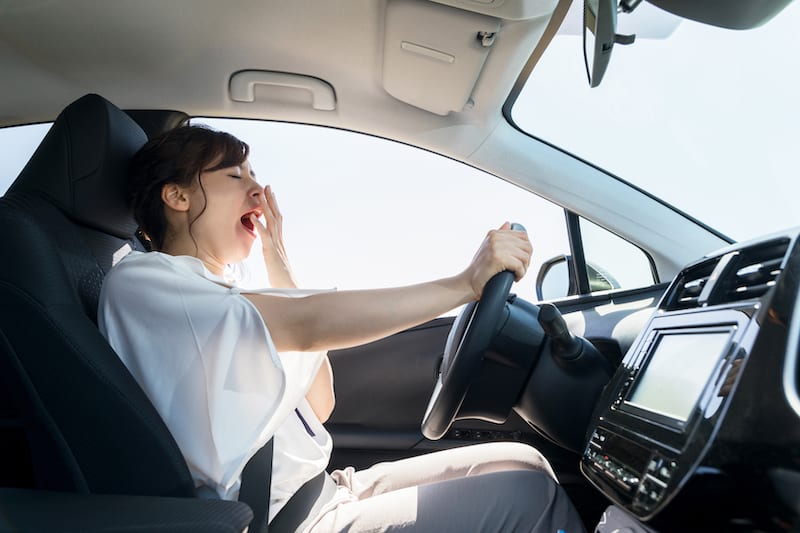
- Be aware of the signs of drowsiness, like frequent yawning, heavy eyelids, difficulty focusing.
- If you start to feel drowsy, pull over to a safe location and take a short nap (20-30 minutes) or drink a caffeinated beverage.
Keep in mind, while drinking coffee or rolling down the window might provide a temporary boost, they’re not reliable solutions. These strategies should be used to keep you going as you find a place to rest.
Protecting Your Rights After an Accident
If you’ve been injured in a car accident caused by a drowsy driver, you have rights. Working with an experienced car accident attorney can help you understand those rights and pursue the compensation you deserve. This can include compensation for medical expenses, lost wages, property damage, and pain and suffering.
Attorneys can investigate the accident, gather evidence, and negotiate with the liable party’s insurance company on your behalf. If necessary, they can prepare to take your case to trial to fight for the justice you deserve.
Drowsy driving is a serious threat on our roads. By understanding the risks and taking steps to prevent it, we can all help make the roads safer. If you or a loved one has been injured in an accident caused by a drowsy driver, don’t hesitate to meet with an attorney to help navigate the legal process and get the compensation you need to recover.
Driving drowsy is a choice, and that choice can have devastating consequences. Let’s work together to keep our roads safe for everyone.