
Evaluate whether an international legal framework would benefit, specifically, the causes for which human rights violations might be committed in North Korea, elements of international law that can help this, the limitations to which they may be subject, and some recommendations for the way forward towards worldwide accountability.
Introduction
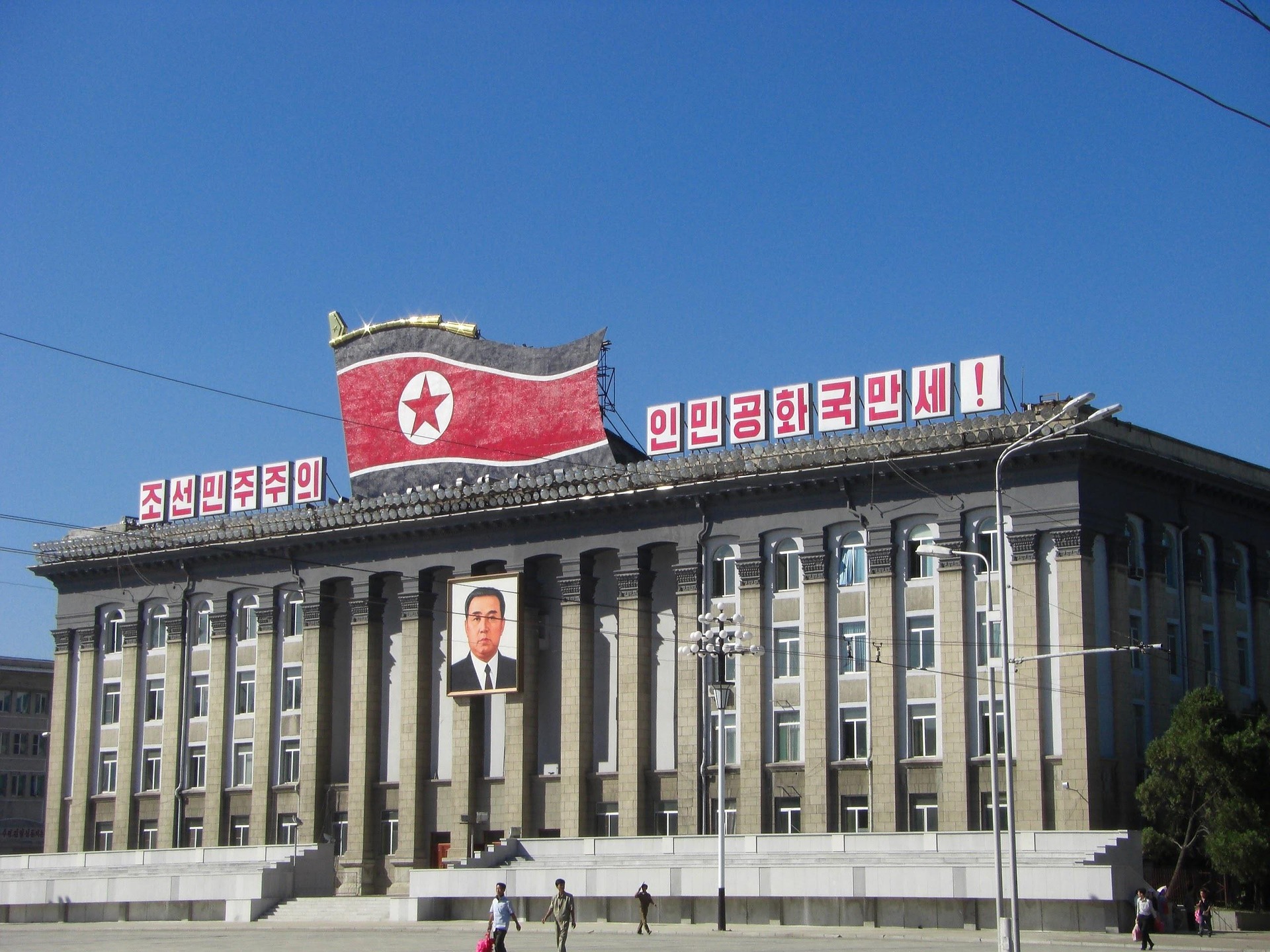
To many North Koreans, otherwise known to most as the Democratic People’s Republic of Korea (DPRK), nothing may be more secretive and repressive than themselves under the current world order. Reports of decades from the UN, international human rights organizations, and North Korean defectors display a consistent picture of systematic abuses, such as persistent political imprisonments, torture, forced labor, severe restrictions on freedom of movement, as well as expression.
Although there have been some improvements in international attention to this situation, these crimes are still being perpetrated on a scale and with a brutality that compels the world’s attention to turn away yet again. This brings about the immediate question: What can international law do to hold the North Korean regime accountable? This article lays out the legal options, challenges, and possible ways toward redress of human rights abuses in North Korea.
Understanding a human rights crisis in North Korea
The country’s human rights violations do not occur randomly-another more common feature is that they are systematic: according to a 2014 United Nations Commission of Inquiry (COI) report, the DPRK has been committing crimes that “shock the conscience of humanity.” These include:
- Arbitrary detention and torture
- Public executions and forced disappearances
- Political prison camps where entire families are held in inhumane conditions
- Forced labor-even among children
- Death of freedom of speech, religion, and movement
Very closely controlled by the government through a tool of terror, loyalty state function, and suppression, one is secrecy as well as denial of access to international observers, much further complicating the situation from those perspectives occurring in assessing and remedial efforts.
The Role of International Law in Addressing Human Rights Violations
United Nations Mechanisms
UN organs have all been very vocal in raising the human rights issues relating to North Korea; the Human Rights Council and the General Assembly have passed many resolutions condemning the acts of that regime. The Universal Periodic Review continues to provide a cyclic, periodic evaluation of the human rights record in the DPRK, but the DPRK almost invariably condemns or rejects its recommendations.
Regarding the human rights violations in North Korea being addressed in the environment of the Universal Periodic Review( UPR), the DPRK generally condemns or rejects the recommendations put forth by this medium. The Commission of Inquiry( COI) did much more serious work in establishing obvious violations and recommending execution for crimes against humanity. Still, these mechanisms stay largely non-binding and can not realize any meaningful change without the cooperation of North Korea or without stronger action being taken by the transnational community.
International Criminal Law and The ICC
International criminal law, along with the International Criminal Court (ICC), is a type of prosecution against individuals charged with crimes at an international level, such as genocide, war crimes, and crimes against humanity. By its report, the UN COI in 2014 recommended referral of North Korea for prosecution for such crimes.
However, the ICC can act only under the following circumstances:
- If there is a state referral by a party to the ICC under Article 13(b) of the Rome Statute (North Korea is not a member);
- If there is a state referral by the UNSC to the ICC.
Thus far, attempts to get the leaders of the DPRK before the ICC have been stymied by the vetoes of both China and Russia, allies of North Korea. This has severely hampered the court’s ability to act.
Sanctions and Diplomatic Pressure
In justification of the Balkan sanctioning of North Korea for its human rights violations—and for its nuclear program-the Nations and individual countries imposed sanctions as a tool of coercion. They include asset freezes, travel bans, and trade embargoes. In short, sanctions aim to coerce the regime into observing international norms.
Sanctions do not provide any direct improvement for human rights, while at least seemingly inflicting the regime economically. Military development takes priority over anything that would be of welfare to the people; moreover, there has been a lack of interest from the regime in any constructive engagement on the human rights agenda.
Legal and Political Challenges
Sovereignty and Non-Cooperation
North Korea is a sovereign state, unaware of any jurisdiction that could impose itself across its internal affairs. It has maintained an uninterrupted denial of the most serious human rights abuses while refusing access to UN investigators. Very little, if any, evidence could be collected, victims questioned within the country, or international rulings enforced.
Obstacles in Geopolitical Terms
Human Khaled Hanishy certainly faces “nuclear international law processes.” His efforts are directed toward the biggest challenge- geopolitics, which proves to be immeasurable at times in international action. The UN Security Council will have the last word on whether or not to refer cases to the ICC. However, it is gravely divided because China and Russia vehemently find themselves in opposition to such a type of resolution concerning North Korea. These veto powers pursue their territorial interests for a better stay in the region and in balancing the influence of the United States in East Asia.
What More Can Be Done?
Documentation and Evidence Collection Might Be Strengthened
Organizations can continue their documentation of abuses, although accessing North Korea directly is limited using:
- Testimonials of defectors
- Satellite imagery for the surveillance of prison camps
- Reports produced by NGOs and independent investigators
- Keeping up with more detailed, credible records increases the chances of accountability in the future.
- Pursue Accountability Via Universal Jurisdiction
Some countries permit to prosecution of international crimes under universal jurisdiction, that is, the trial of individuals for crimes against humanity irrespective of where these are perpetrated. This approach has been used in cases involving Syria and Rwanda. Similar efforts could target North Korean officials involved in well-documented abuses.
Encouraging Regional Pressure and Cooperation
Countries in the region — especially South Korea, Japan, and ASEAN members — can play a stronger part by raising ortal rights enterprises in political addresses, Conditioning aid or cooperation on human rights advancements. Supporting civil society groups and deserter networks, Regional cooperation can find broader transnational sweats and keep moral rights on the agenda.
Conclusion
North Korea’s human rights violations represent one of the most patient and severe human rights records in the ultramodern world. International conventions function as vital tools that help solve these violations through UN procedures and ICC protocols, as well as specific clearance operations. The current geopolitical dynamics, together with government relationships and Enforceability constraints, render them ineffective. The international community needs to keep validating violations and backing victims while finding new legal approaches for these situations. The pursuit of justice for the people of North Korea is a long rip but one that transnational law must continue to lead.