

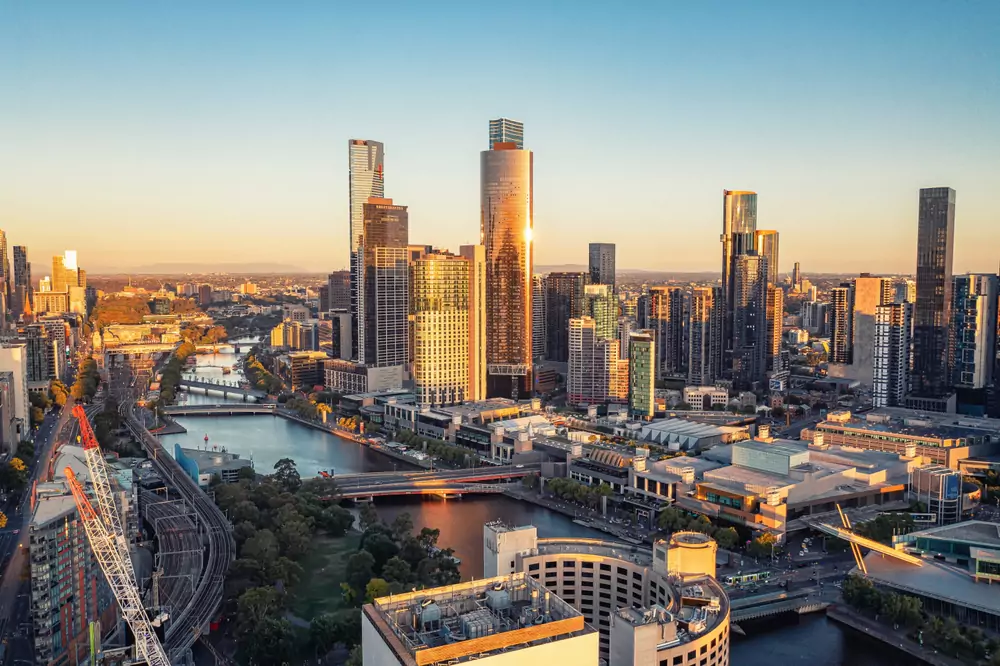
The Australian housing market continues to defy expectations as we move through 2025, demonstrating remarkable resilience against global economic headwinds. After weathering thirteen consecutive interest rate hikes between 2022-2023, the market has entered a new phase characterized by moderating growth, shifting demographic patterns, and evolving buyer behavior. This comprehensive analysis examines the key drivers shaping property values across the nation’s capital cities and regional markets.
Current Market Performance
Recent data from CoreLogic reveals the national housing market reached new record highs in early 2025, with values increasing 0.4% in March – the second consecutive month of growth following a brief three-month decline. This recovery has pushed national home prices 3.91% higher than a year ago, representing a staggering 48% cumulative growth over the past five years. The market’s performance becomes even more impressive when considering this growth occurred against the backdrop of the highest interest rates in over a decade and significant affordability constraints.
The PropTrack Home Price Index corroborates this upward trajectory, reporting a 0.27% rise in March that similarly pushed values to record highs. This consistent growth across different measurement methodologies confirms the underlying strength of Australian residential real estate as an asset class.
Interest Rate Outlook and Market Impact
A critical factor influencing the 2025 Melbourne property market is the shifting monetary policy landscape. After reaching a peak of 4.35% in late 2023, the Reserve Bank of Australia’s cash rate has begun its descent, with financial markets pricing in three potential cuts during 2025. This anticipated easing cycle follows eighteen months of restrictive policy aimed at taming inflation, which has now returned to the RBA’s target band.
The implications of lower interest rates for the property market are multifaceted. Firstly, reduced borrowing costs immediately improve serviceability, increasing maximum loan amounts for prospective buyers. Analysis of RBA data shows that each 0.25% rate cut potentially increases borrowing capacity by approximately 1.5%. Secondly, the psychological impact of rate cuts tends to boost consumer confidence, bringing sidelined buyers back into the market. Historical patterns suggest premium suburbs in Sydney and Melbourne typically lead price rebounds following rate cuts.
Regional Market Divergence
Australia’s property market remains highly fragmented, with significant variations between capital cities and regional areas. The pandemic-driven regional boom has largely run its course, with capital cities now outperforming their regional counterparts.
This reversal stems from narrowed price differentials and the return of workers to urban centers as hybrid work arrangements become standardized.
Perth has emerged as the nation’s strongest performer, with values up 11.9% year-onyear. This Western Australian capital benefits from robust interstate migration, strong resources sector employment, and relative affordability compared to eastern seaboard cities. Brisbane follows closely with 8.6% annual growth, cementing its position as Australia’s second-most expensive capital after Sydney.
Melbourne’s market shows signs of stabilization after its extended downturn, recording a 0.5% gain in March. The city’s relative affordability compared to Sydney and improving economic outlook are attracting investor interest. Sydney itself continues its steady recovery, with values up 0.9% annually despite remaining the nation’s most expensive market.
Supply-Demand Dynamics
The fundamental imbalance between housing supply and demand continues to underpin property values nationwide. Australia’s population grew by a record 660,000 in 2024, requiring approximately 250,000 new dwellings to accommodate this growth. However, dwelling completions have consistently fallen short, averaging around 170,000 annually due to construction industry constraints.
This chronic undersupply has created an accumulated deficit estimated at 200,000 homes, with no immediate solution in sight. Building approvals remain depressed, suggesting the supply shortfall will persist well beyond 2025. The consequences are most visible in rental markets, where vacancy rates sit below 1% in most capital cities, driving double-digit rental growth.
Investment Trends and Opportunities
The shifting market conditions have created distinct opportunities for strategic investors. The price gap between houses and units has reached record levels, making well-located apartments increasingly attractive. Established family-friendly apartments in premium locations now trade significantly below replacement cost, offering compelling value.
Gentrifying inner and middle-ring suburbs in capital cities present another opportunity. These areas benefit from demographic shifts as affluent buyers trade space for proximity to amenities, employment hubs, and lifestyle attractions. The “20-minute neighborhood” concept – where residents can access most daily needs within a 20minute walk or drive – has become a key driver of value in these locations.
Economic and Demographic Drivers
Several macroeconomic factors will influence the property market through 2025 and beyond:
- Population Growth: Net overseas migration remains elevated at 446,000 annually, though down from 2023’s peak. This sustained population growth ensures ongoing housing demand, particularly in gateway cities.
- Employment: The labor market remains tight, with unemployment below 4%. Strong employment conditions support mortgage serviceability and buyer confidence.
- Wealth Effect: Rising property values have increased household wealth, supporting consumer spending and further property investment.
- Construction Costs: Building expenses remain elevated, discouraging new development and supporting values of existing stock.
Risk Factors and Challenges
While the outlook appears positive, several risks warrant consideration:
- Affordability Constraints: Despite moderating prices in some markets, housing remains severely unaffordable for many Australians, particularly first-home buyers.
- Geopolitical Uncertainty: Global trade tensions and economic instability could impact Australia’s economy and consumer confidence.
- Regulatory Changes: Potential alterations to negative gearing or other property tax policies could influence investor behavior.
- Climate Risks: Increasing frequency of extreme weather events may affect insurance costs and property values in vulnerable areas.
Long-Term Projections
Looking beyond 2025, most analysts anticipate continued growth in Australian property values, albeit at more sustainable rates. The nation’s population is projected to exceed 30 million by 2030, requiring substantial new housing supply. Over the next decade, a combination of population growth, rising incomes, and constrained supply could drive 40-50% cumulative price growth.
This long-term outlook suggests property will remain a cornerstone of Australian wealth creation, though successful investment will require careful location selection and strategic planning. The market’s evolution toward higher-density living in wellconnected urban locations appears set to continue, reshaping Australia’s housing landscape for decades to come.
Conclusion
The Australian property market enters 2025 at an interesting inflection point. While the breakneck growth of recent years has moderated, fundamental strengths remain intact. Record immigration, chronic undersupply, and impending interest rate cuts create favorable conditions for continued price growth, particularly in well-located capital city properties.
Investors and homebuyers should focus on markets with strong employment fundamentals, demographic tailwinds, and constrained supply. As always, a long-term perspective and thorough due diligence remain essential for navigating Australia’s complex and ever-evolving property landscape.