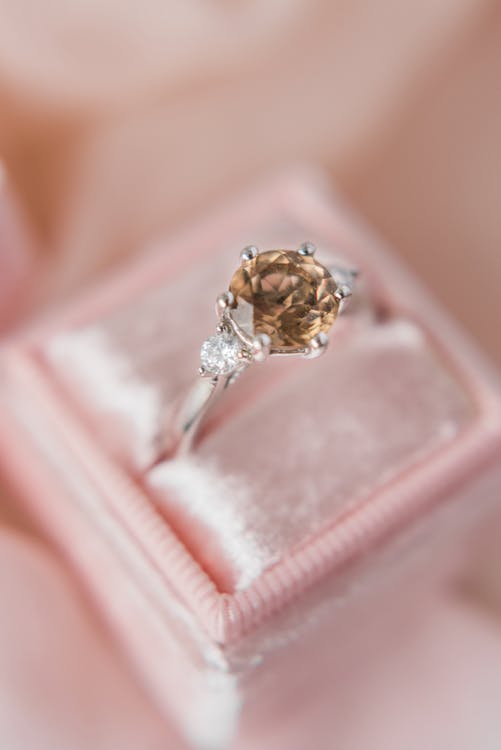


I was standing behind a jeweller’s counter in Melbourne, late afternoon light slanting through the window, when a client slid a ring box across the glass. At first glance, it looked understated. Elegant. Then the light caught the band — and suddenly the entire ring shimmered like it was breathing.
Honestly, that moment stuck with me. Pavé rings have a way of doing that. They don’t shout. They whisper. And somehow, that whisper feels deeply personal.
Whether you’re ring-shopping for the first time, upgrading an heirloom, or simply curious about why pavé engagement rings are everywhere right now, let’s slow down and unpack what makes them so compelling — beyond the sparkle.
What “Pavé” Really Means (and Why It Matters)
The word pavé comes from the French word for “paved”, as in a cobblestone street. It’s a fitting image. Tiny diamonds are set closely together along the band, with minimal visible metal, creating a continuous, glittering surface.
You might not know this, but pavé settings are deceptively complex. Each of those micro-diamonds is secured individually, usually with tiny beads of metal raised from the band itself. It’s meticulous work. Old-school craftsmanship meets modern precision.
And the result? A ring that looks far more diamond-heavy than it technically is.
That’s part of the appeal. Pavé engagement rings maximise visual impact without relying on a massive centre stone. The sparkle comes from everywhere — not just the top.
Why Pavé Engagement Rings Feel So Timeless (Yet Modern)
Trends in jewellery come and go faster than you’d expect. Halo settings had their moment. Coloured gemstones surged. Minimal solitaires never really left.
But pavé has lingered — quietly, confidently.
Why?
Because pavé doesn’t belong to a single era. You’ll find it in antique Edwardian rings and in ultra-modern designs worn by fashion editors in Sydney or Paris. It adapts.
-
Pair pavé with a classic round brilliant? Timeless.
-
Combine it with an elongated oval or emerald cut? Contemporary elegance.
-
Wrap it around a slim platinum band? Understated luxury.
-
Add pavé to a split shank or cathedral setting? Architectural and bold.
I was surprised to learn how many people choose pavé not for flash, but for balance. It frames the centre stone without competing with it. Like good tailoring — you notice the whole look, not just one element.
The Emotional Pull: Why People Fall for Pavé
Here’s the thing that doesn’t get mentioned enough.
Pavé rings feel… generous.
They catch light even in low moments — candlelit dinners, overcast mornings, quick glances while typing at work. There’s something reassuring about that constant shimmer. Almost like the ring is always showing up.
I’ve had clients tell me their pavé band reminds them that commitment isn’t one big gesture — it’s made up of hundreds of small ones, set closely together.
Corny? Maybe. But also kind of beautiful.
Centre Stones and Pavé: Getting the Balance Right
Not all pavé rings are created equal. And this is where experience matters.
A pavé band should enhance the centre stone, not overwhelm it. If the band sparkles louder than the main diamond, the eye doesn’t know where to land.
Some thoughtful pairings I’ve seen work exceptionally well:
-
Round brilliant + pavé band: Classic and endlessly wearable.
-
Oval diamond + pavé: Soft, romantic, and flattering on the hand.
-
Emerald cut + pavé: Clean lines with a hint of glamour.
-
Pear shape + pavé: Feminine with a slightly vintage feel.
The trick is proportion. Slim pavé bands tend to age better, both stylistically and structurally.
Metal Choices: Subtle Details That Change Everything
Metal colour quietly transforms pavé engagement rings.
-
White gold or platinum: Lets diamonds blend seamlessly into the band, creating that “wall of sparkle” effect.
-
Yellow gold: Offers contrast. The diamonds pop, and the ring feels warmer, more traditional.
-
Rose gold: Softens the look. Romantic, flattering on most skin tones, and surprisingly versatile.
Well, here’s something people don’t always expect — pavé diamonds often look brighter in slightly darker metals because the contrast enhances their brilliance. It’s one of those small design nuances that makes a big visual difference.
The Rise of Lab Created Diamonds in Pavé Rings
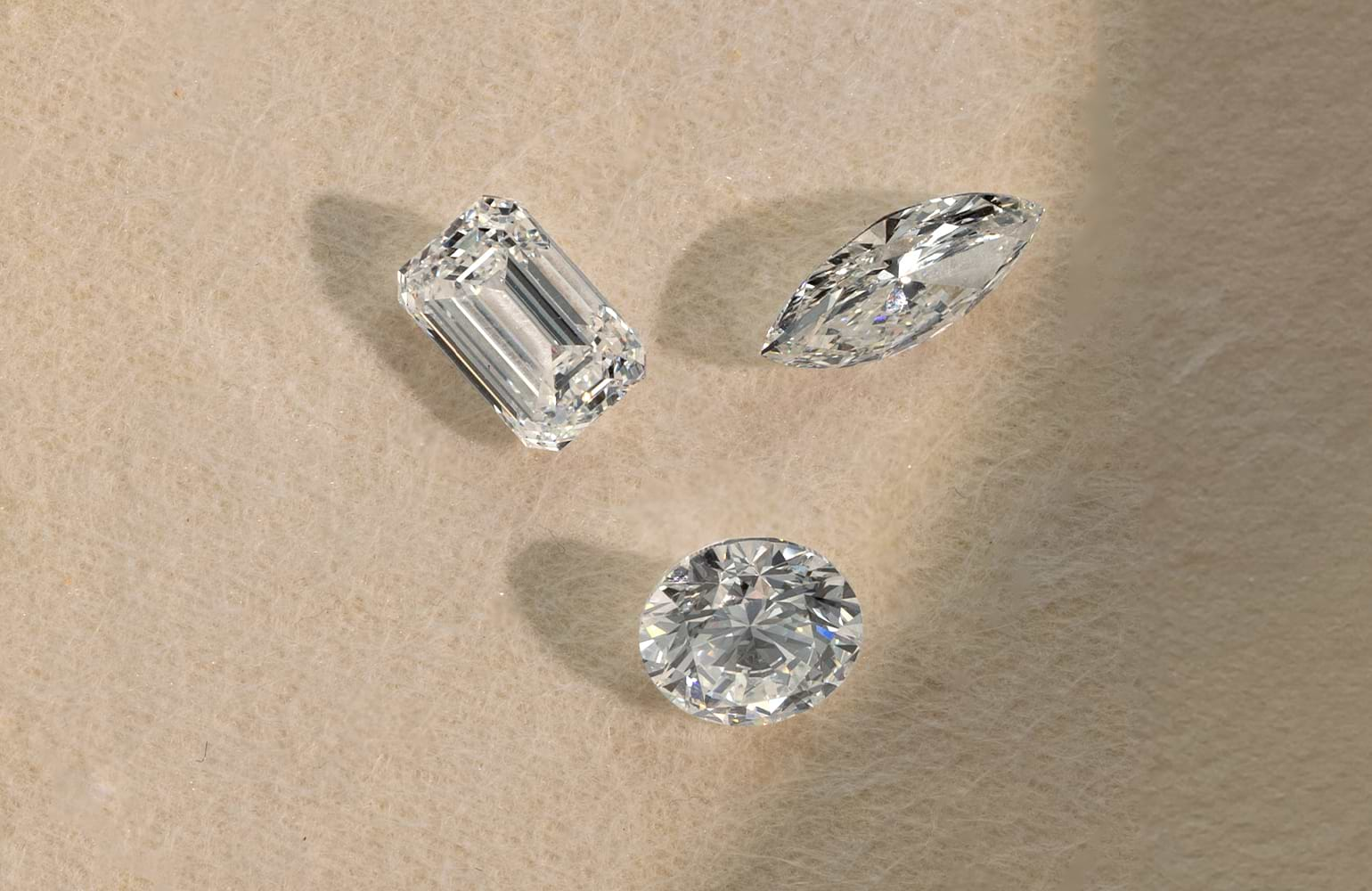
If you’ve been anywhere near a jeweller lately, you’ve probably heard the phrase lab created diamonds more than once.
And pavé engagement rings? They’re one of the settings where lab diamonds truly shine.
Why?
Because pavé uses many small diamonds. Traditionally, that added up quickly in cost. Lab-grown stones have changed the equation entirely.
Today, couples can opt for higher quality pavé diamonds — better colour, better clarity — without the eye-watering price tag. And for many, the ethical and environmental considerations matter just as much.
I’ve seen clients redirect savings from pavé bands made with lab diamonds into:
-
A larger centre stone
-
A custom design
-
Or, honestly, their honeymoon fund
No judgement there.
If you’re curious about the broader cultural and global interest around lab-grown stones, this deep dive into lab created diamonds gives some genuinely interesting context.
Durability: The Honest Conversation About Pavé
Let’s talk reality for a moment.
Pavé rings are beautiful — but they do require care.
Those tiny diamonds are secure, but they’re still small. Daily wear, knocks, gym sessions, gardening (yes, people forget), can loosen settings over time.
That doesn’t mean pavé is fragile. It just means it suits certain lifestyles better than others.
A few practical tips I always share:
-
Choose a reputable jeweller with strong setting techniques
-
Avoid ultra-thin bands if pavé runs all the way around
-
Get the ring checked annually
-
Consider half-pavé for added durability
Honestly, most issues arise from poor craftsmanship, not the pavé style itself.
Custom Pavé: Where Personality Really Comes Through
One of my favourite things about pavé engagement rings is how customisable they are.
You can:
-
Vary diamond size along the band
-
Mix pavé styles (micro-pavé, French pavé, bead-set)
-
Add hidden pavé under the centre stone
-
Combine pavé with engraving
I once worked with a couple who added a single coloured diamond — tiny, barely visible — tucked into the pavé on the inside of the band. A secret just for them.
That’s the magic. Pavé can be glamorous on the surface and deeply personal underneath.
Shopping Smart: What to Look For (and What to Avoid)
If you’re exploring pavé engagement rings online or in-store, keep an eye out for:
Green flags:
-
Even spacing between stones
-
Secure, symmetrical setting beads
-
Smooth edges (no snagging)
-
Clear information about diamond quality
Red flags:
-
Diamonds that look dull or mismatched
-
Overly thin bands with full pavé
-
Vague descriptions
-
Too-good-to-be-true pricing
For a solid example of thoughtfully designed pave engagement rings, it’s worth browsing collections that focus on balance rather than excess.
Are Pavé Engagement Rings Still “In”?
Short answer? Yes.
Longer answer? They never really left.
Fashion cycles may shift silhouettes and stone shapes, but pavé remains relevant because it adapts. It elevates without overpowering. It complements almost every centre stone and suits a wide range of personal styles.
From minimalist professionals to romantics who love detail, pavé continues to find its people.
Final Thoughts: Choosing What Feels Right
At the end of the day — and I say this as someone who’s seen thousands of rings — the best engagement ring isn’t the trendiest or the most expensive.
It’s the one that feels like yours.
Pavé engagement rings have this quiet way of reflecting commitment through many small, carefully placed moments of brilliance. That feels fitting, doesn’t it?
After all, love isn’t one big sparkle. It’s hundreds of tiny ones, set close together, catching light when you least expect it.