

Explore the legal status of cryptocurrency from a global economic perspective. Learn how regulation, legality, and innovation in digital currencies shape markets worldwide
Introduction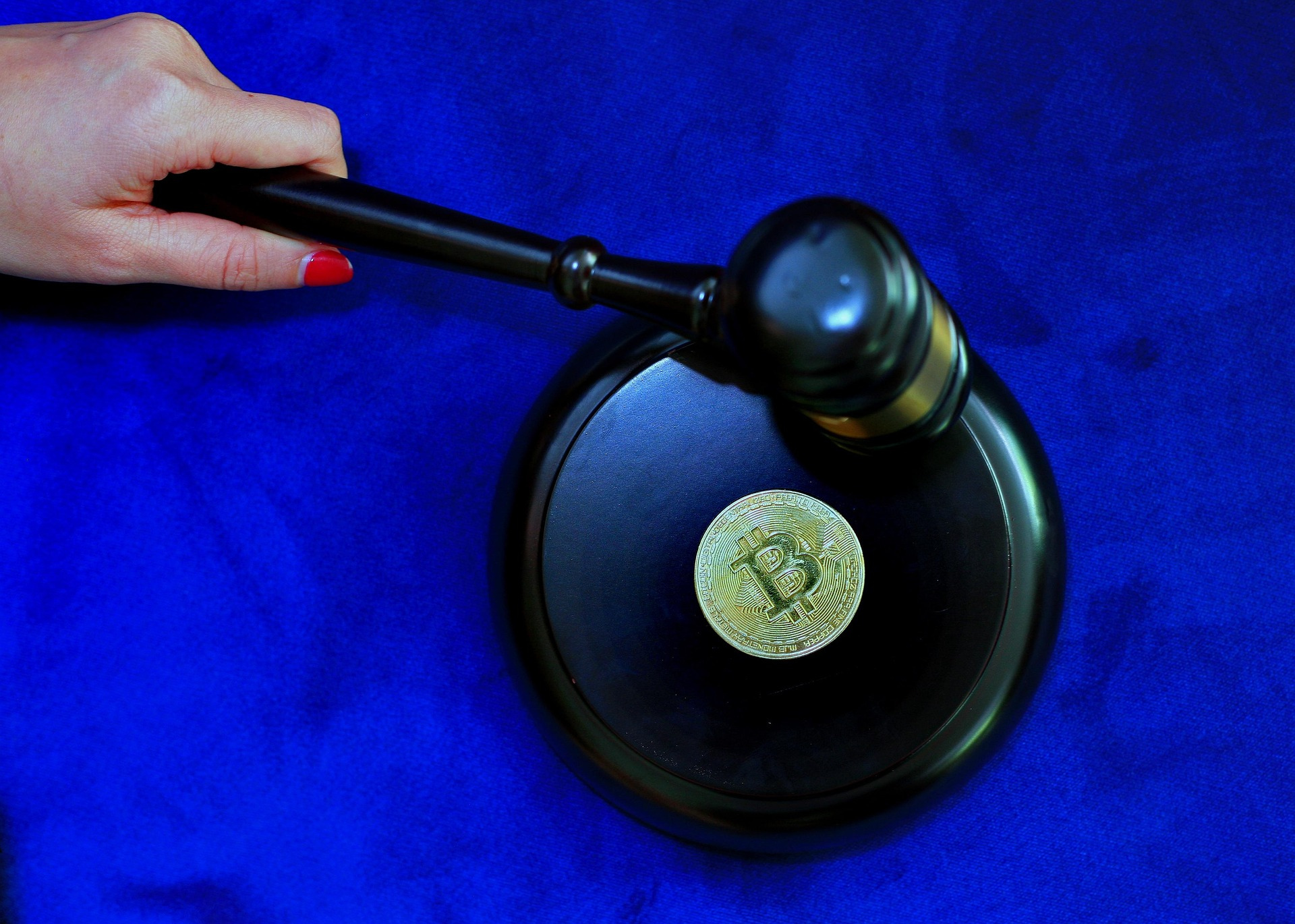
In the last decade, cryptocurrency metamorphosed from an odd peripheral idea to a big cog in the world financial machine. These digital currencies, based on blockchain technology, have opened up a new arena and all the new legal quandaries that accompany it. Countries and international institutions, and individual investors are all wrestling with how to balance innovation with regulation and how to craft a coherent legal framework that deals with growing concerns regarding compliance, taxation, and consumer protection.
This paper will investigate the legal status of cryptocurrency across the globe, its implications for the economy, and what the future has in store for this peculiar form of financial technology.
Understanding Cryptocurrency and Blockchain
Cryptocurrency is essentially a form of digital money that has its own rules separate from those of the banks and central authorities that we know. It is based on a technology called blockchain, which is a decentralized, secure digital ledger that records transactions instantaneously on a distributed network.
An example of how fintech can disrupt traditional financial systems lies in Bitcoin and Ethereum, as well as in many other cryptocurrencies. Unlike fiat currency, payment through cryptocurrency is, almost at every instance, viewed as more advantageous: it ensures maximum transparency, allows for minimum transaction cost, and enables trans-border transfer without intermediaries. However, because of its decentralized nature, legality and regulatory oversight remain contentious issues.
Understanding the Serious Consequences of Financial Crimes
Financial crimes can have long-lasting legal and personal consequences, especially when they involve complex transactions and large sums of money. Law enforcement agencies take these cases very seriously, and investigations often involve detailed reviews of banking records, digital transactions, and financial histories. Even unintentional involvement can lead to severe penalties if not handled properly.
Charges related to money laundering require experienced legal representation to navigate the complexities of federal and state laws. A strong defense strategy can help protect an individual’s rights, challenge weak evidence, and minimize potential consequences. Having professional legal guidance early in the process is critical to achieving the best possible outcome.
What Changes Cryptocurrency To The Global Economy
Cryptocurrency can affect the economy globally. First, it brought about a new category of assets, thus making it possible for individuals and institutions to invest in. In countries with unstable currencies, crypto has become a store of value and a medium through which to gain access to the outside world.
Faster and cheaper payments in foreign lands are possible through crypto. It has the highest impact on the remittance industry and global trade for these two pivotal areas.
Governments are worried that cryptocurrencies can be exploited for illegal activities like money laundering, tax evasion, and funding illicit trade, thus putting greater pressure on regulation and international cooperation.

Legal issues surrounding cryptocurrency: A Complex Global Landscape
Crypto is one of the most complicated legal issues out there. Different countries worldwide have adopted a wide variety of regulatory, legal, and compliance approaches.
United States
Multiple expressions of cryptocurrencies under sometimes conflicting contexts exist in the U.S. The SEC considers some tokens to be securities; others, the IRS considers to be taxable property. This patchwork of rules creates confusion and legal uncertainty for both businesses and investors.
European Union
The recent approval of the MiCA regulation was designed to institutionalize a crypto-assets framework covering all member states within the EU. MiCA addresses consumer protection, money laundering, and environmental issues surrounding mining.
China
China has taken a very hardline approach to crypto: banning all trading and mining directly. Instead, it is developing its own central bank digital currency (CBDC) to reinforce those state controls while rejecting decentralized systems.
India and Emerging Markets
Sometimes, India has been in favor of bans while at other times advocating regulations. Today, it charges a flat tax on crypto gains, and it lacks a comprehensive legal framework. The same with some other emerging nations like Brazil and Nigeria, which are searching for regulations that strike the balance between innovation and oversight.
These diverse legal models require a global approach towards the governance of cryptocurrency.
Innovation and Regulation Convergence
Essentially, the central legal issue concerning cryptocurrencies is identifying the right point between encouraging innovation and meeting regulatory demands. Overregulation tends to suffocate some advantages associated with financial technology, while underregulation tends to leave cracks for nooks and crannies for fraud, risks, and unstable markets.
Clear, logical laws may enhance investor confidence and add legitimacy to the market’s participants. At the same time, governments must install consumer protection measures, cybersecurity policies, and clear tax rules to better safeguard users.
As crypto becomes more integrated into traditional finance, regulatory clarity will be key to its sustainable growth.
An Important Step Toward a Global Regulatory Framework?
International cooperation on the regulation of cryptocurrencies seems to be gaining more momentum. Groups, such as the G20 and the Financial Action Task Force (FATF), are working toward establishing common guidelines for crypto-related compliance and anti-money laundering. Central banks worldwide are also experimenting with the idea of their digital currencies—that is, CBDCs—to modernize monetary systems and provide a stable state-backed alternative to volatile crypto assets.
While the possibility of having a fully unified global framework may be several years away, trends speak loudly-the future of crypto becoming a regional or global dependent variable will only be able to accommodate cross-border collaboration with evolving legal parameters.
Conclusion
Cryptocurrency promises much and complicates things in the modern economy. With increasing impact on the economy, we see a greater need for clear legal boundaries to be established. In creating this ambiance, with attention toward the legality, regulation, and taxation of cryptocurrencies, governments can create a protective umbrella for consumers and investors alike while still allowing innovation through the permission-laden framework. The way forward lies in rational governance, which is the answer to the problem and supports innovation in digital currencies within acceptable risk limits.
FAQs
Is cryptocurrency legal somewhere in the world?
No. Some territories allow it and regulate it; others entirely prohibit it. These vary widely by region.
How is Crypto Taxed in Different Countries?
In the U.S., it is taxed like property. In India, a flat tax applies. Taxation policies differ all around the world and are changing rapidly.
Why is regulation important for crypto investors?
Clear regulations boost confidence for investors, dissuade fraud, and create a safer trading environment for all.